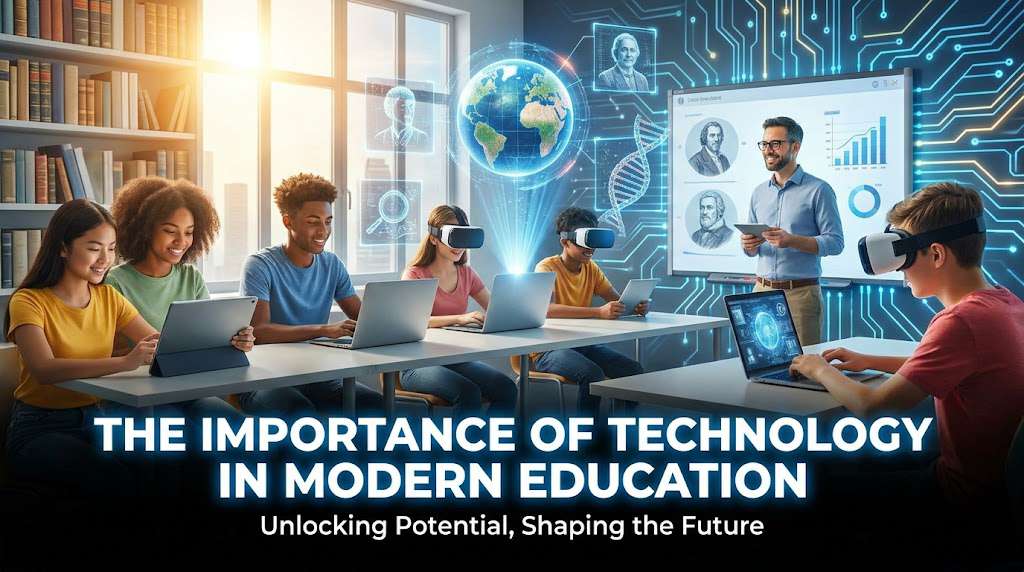
The Importance of Technology in Modern Education
Introduction
Technology has become an essential part of modern life. From smartphones and computers to the internet and artificial intelligence, technology influences how people communicate, work, learn, and solve problems. In education, technology has transformed traditional teaching methods and created new opportunities for students and teachers.
Schools around the world now use digital tools to improve learning experiences, increase access to information, and prepare students for the demands of the modern workforce. Technology makes learning more engaging, interactive, and accessible than ever before.
Understanding the role of technology in education helps students appreciate its value and learn how to use it responsibly for academic success.
What Is Technology?
Technology refers to the application of scientific knowledge, tools, techniques, and systems to solve problems and make human activities easier and more efficient.
Technology includes devices, software, machines, and digital systems used in various aspects of life.
Examples of Technology
- Computers and laptops.
- Smartphones and tablets.
- The internet.
- Projectors and smart boards.
- Educational software.
- Artificial intelligence tools.
- Online learning platforms.
Meaning of Educational Technology
Educational technology refers to the use of technological tools, devices, and systems to support teaching, learning, assessment, and educational administration.
It combines technology with educational methods to improve learning outcomes.
Evolution of Technology in Education
Education has evolved significantly over time.
Traditional Education
- Chalkboards and textbooks.
- Face-to-face instruction.
- Limited access to information.
- Manual record keeping.
Modern Education
- Digital classrooms.
- Online learning platforms.
- Virtual laboratories.
- Interactive learning applications.
- Cloud-based storage and resources.
The integration of technology has made education more flexible and accessible.
Importance of Technology in Education
1. Easy Access to Information
The internet provides students with access to vast amounts of educational resources.
Students can access:
- Online textbooks.
- Research articles.
- Educational videos.
- Digital libraries.
- Academic journals.
Information that once required extensive library visits can now be accessed within seconds.
2. Improved Learning Experience
Technology makes learning more engaging through multimedia content such as videos, animations, simulations, and interactive presentations.
These tools help students understand complex concepts more easily.
3. Personalized Learning
Educational software can adapt to the learning pace and needs of individual students.
Students can review lessons repeatedly until they fully understand the material.
4. Enhanced Communication
Technology improves communication between teachers, students, parents, and school administrators.
Communication tools include:
- Email.
- Messaging platforms.
- School portals.
- Video conferencing applications.
5. Supports Distance Learning
Online learning platforms allow students to learn regardless of location.
Distance education has become increasingly important in today's connected world.
6. Encourages Collaboration
Students can work together on projects using collaborative tools and shared online workspaces.
Teamwork skills are strengthened through digital collaboration.
7. Development of Digital Skills
Technology helps students develop essential digital literacy skills needed in modern workplaces.
These skills include:
- Computer literacy.
- Internet research.
- Data management.
- Digital communication.
- Problem-solving using technology.
Technology Tools Used in Education
Computers and Laptops
These devices enable students to conduct research, create documents, and access online learning resources.
Interactive Whiteboards
Interactive boards make lessons more engaging through multimedia presentations and digital interaction.
Educational Applications
Learning apps help students practice skills, complete assignments, and monitor progress.
Learning Management Systems (LMS)
These platforms allow teachers to upload lessons, assignments, quizzes, and educational resources.
Video Conferencing Tools
Applications for virtual meetings support remote teaching and learning.
Technology and Research
Technology has revolutionized academic research.
- Quick access to information.
- Online academic databases.
- Digital libraries.
- Research collaboration across countries.
Students can now gather reliable information more efficiently than ever before.
Technology and Classroom Management
Schools use technology to improve administrative efficiency.
- Electronic attendance systems.
- Student information management systems.
- Online grading systems.
- Digital communication platforms.
Benefits of Technology for Teachers
- Improves lesson preparation.
- Simplifies assessment and grading.
- Enhances communication with students.
- Provides access to professional development resources.
- Supports innovative teaching methods.
Benefits of Technology for Students
- Greater access to learning materials.
- Improved engagement and motivation.
- Flexible learning opportunities.
- Development of technological skills.
- Better preparation for future careers.
Challenges of Technology in Education
1. High Cost
Purchasing and maintaining technological equipment can be expensive.
2. Internet Connectivity Issues
Poor internet access can limit the effectiveness of online learning.
3. Digital Distractions
Students may become distracted by social media, games, and non-academic content.
4. Cybersecurity Risks
Schools and students may face threats such as hacking, malware, and data breaches.
5. Digital Divide
Not all students have equal access to technological resources.
Responsible Use of Technology
Students should use technology responsibly and ethically.
- Use reliable sources for research.
- Avoid plagiarism.
- Protect personal information.
- Respect intellectual property rights.
- Maintain appropriate online behavior.
Future of Technology in Education
Emerging technologies continue to transform education.
Artificial Intelligence (AI)
AI-powered systems can provide personalized learning experiences and automated assistance.
Virtual Reality (VR)
VR allows students to experience immersive educational simulations.
Augmented Reality (AR)
AR combines digital content with the physical environment to enhance learning.
Cloud Computing
Cloud-based systems provide secure storage and access to educational resources from anywhere.
Technology and Career Preparation
Employers increasingly require technological competence.
Students who develop digital skills are better prepared for careers in:
- Engineering.
- Medicine.
- Business.
- Information technology.
- Education.
- Research.
Common Examination Questions
- Define technology.
- Explain educational technology.
- State five benefits of technology in education.
- List four technological tools used in schools.
- Discuss the challenges of technology in education.
- Explain responsible use of technology.
- Describe the future of educational technology.
Summary
- Technology is the application of scientific knowledge to solve problems.
- Educational technology improves teaching and learning processes.
- Technology provides access to information and supports personalized learning.
- Digital tools enhance communication and collaboration.
- Challenges include cost, internet access, and cybersecurity concerns.
- Responsible use of technology is essential for academic success.
- Emerging technologies continue to transform education globally.
Conclusion
Technology has become a powerful force in modern education, transforming how students learn and how teachers teach. By providing access to information, improving communication, supporting personalized learning, and preparing students for future careers, technology plays a vital role in educational development. While challenges exist, responsible and effective use of technology can help students achieve greater academic success and thrive in an increasingly digital world.